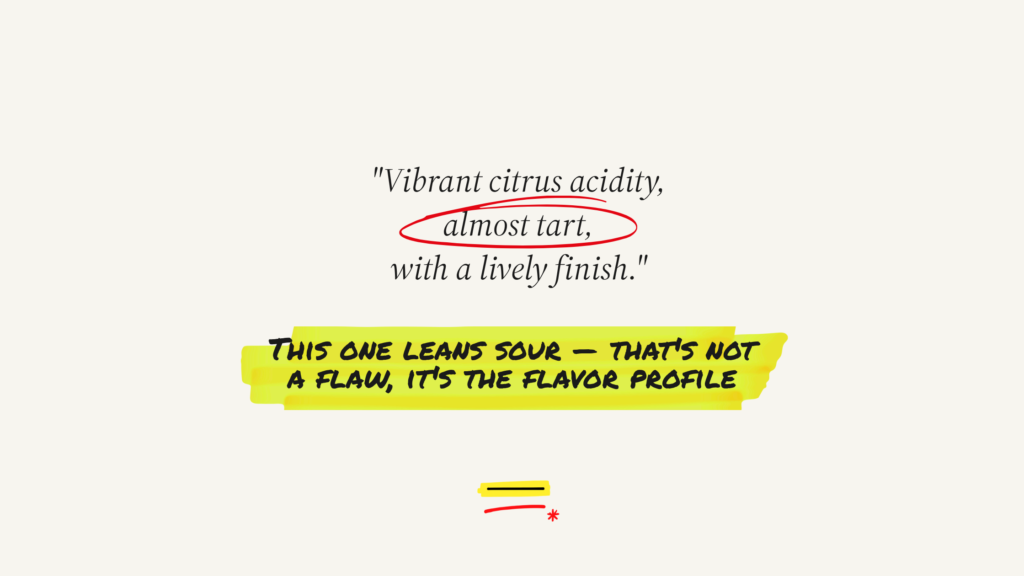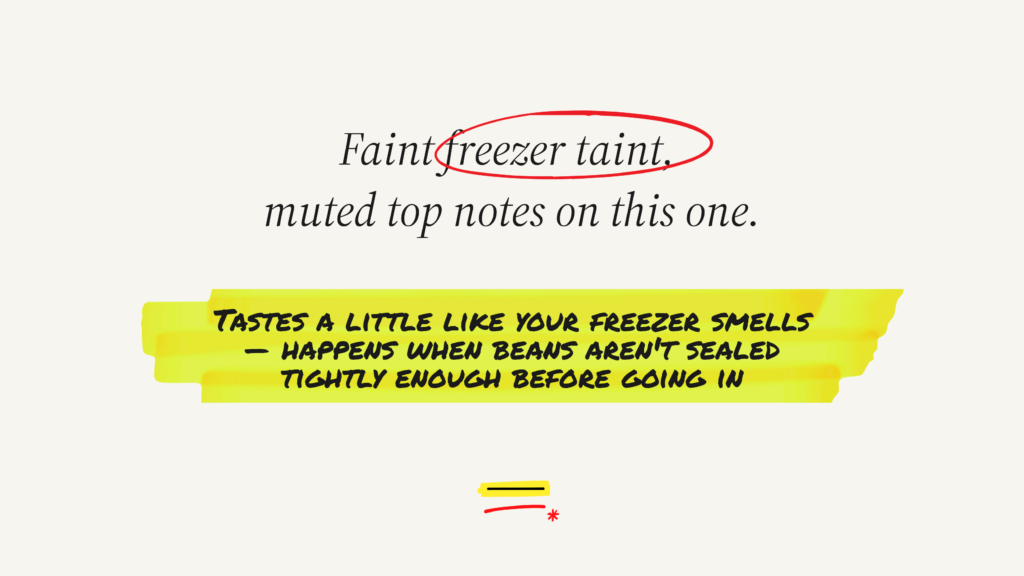
You did everything the same. Same beans, same amount, same everything you can control — and somehow Tuesday’s cup tasted completely different from Monday’s. If this is driving you a little bit crazy, you’re not imagining it, and you’re not doing anything wrong. This is one of those coffee questions that doesn’t have a single tidy answer, and honestly, anyone who gives you one is oversimplifying.
Your “same recipe” isn’t as identical as it feels
Even when you measure everything the same way, a few things are quietly changing in the background every single day, and any one of them can shift how the cup tastes.
The water in your kitchen isn’t constant
Tap water changes — sometimes day to day, sometimes season to season, depending on where you live and what your water utility is doing that week. Coffee is mostly water, so a change in the water is a change in the coffee, even if nothing else moved. This is one of the least talked-about variables, mostly because it’s invisible — nobody expects water to be the moving part.
The beans are aging, quietly, the whole time
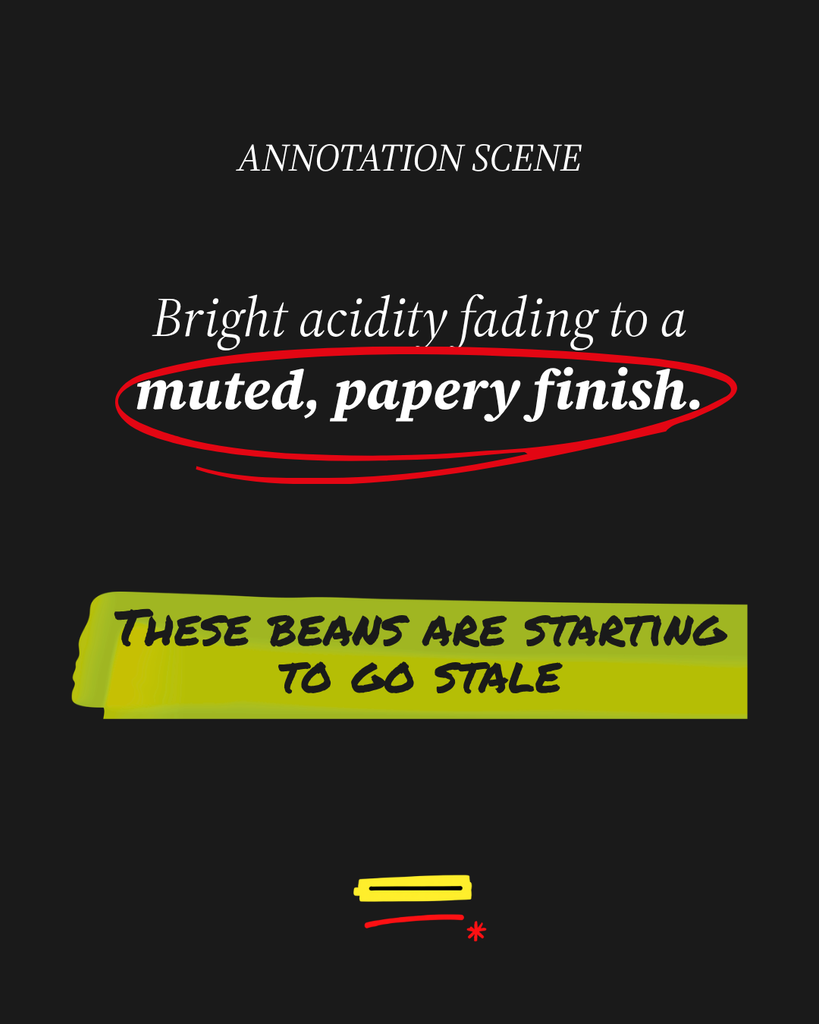
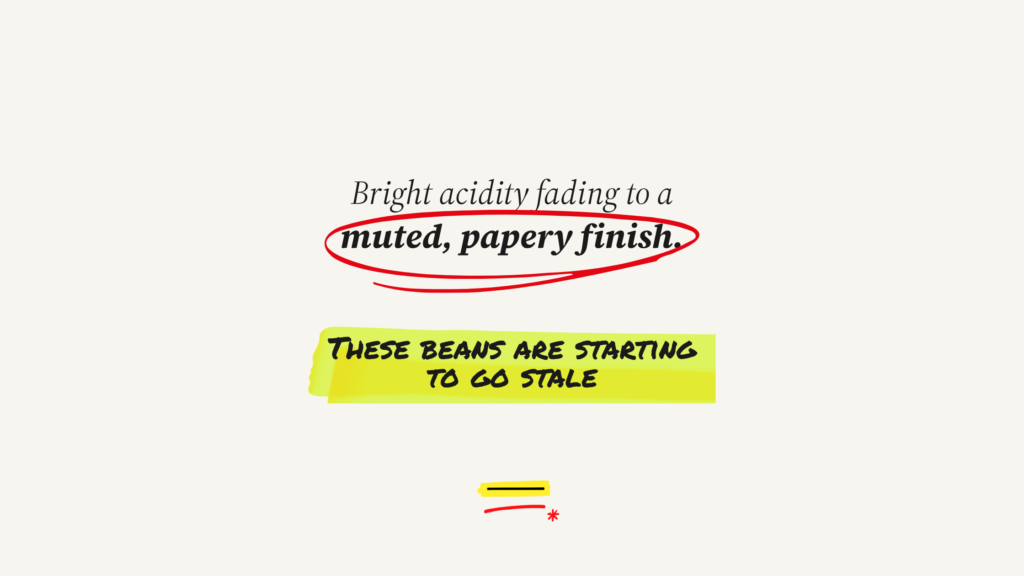
Coffee beans are a fresh product, not a shelf-stable one. A bag that’s five days old tastes different than the same bag at day two or day twenty. If you’ve been drinking from the same bag for a couple of weeks, some of what you’re tasting is just the coffee changing underneath you. Even how the bag has been stored — how much air it’s seen, how warm your kitchen runs — nudges that timeline faster or slower.
Your own mouth isn’t the same instrument every day
This part surprises people, but it’s true: what you taste is shaped by what you ate an hour ago, how much sleep you got, even how congested you are. Your sense of taste isn’t a fixed measuring tool — it’s a mood-dependent one. The coffee can be identical and still land differently because you’re not tasting it with the exact same palate as yesterday. Something as ordinary as toothpaste twenty minutes earlier can flatten how a cup tastes.
Even “the same recipe” hides small variation
Most home setups don’t measure every variable exactly the same way twice — how full a scoop is, how long the kettle sat before pouring, how warm the machine was when you started. None of these are mistakes. They’re just the normal noise of making coffee by hand instead of in a lab. On most days that noise doesn’t matter enough to notice. On a day when everything else lines up a certain way, it suddenly does.
There isn’t one fix, and that’s the honest answer
Here’s where a lot of coffee content lies to you: it picks one of these variables, tells you to fix it, and promises consistency. In reality, water, bean freshness, small daily variation, and your own day-to-day palate are all moving at once, quietly, in the background. Chasing just one of them can genuinely help — but it won’t guarantee the sameness you’re picturing, because coffee simply isn’t a fixed equation the way a recipe card makes it look.
What actually helps, even without a single fix
You won’t eliminate the variation entirely, and that’s fine — the goal isn’t a perfectly identical cup every day, it’s fewer surprises. Buying beans in smaller batches so you’re rarely drinking anything past its best week helps. So does noticing, loosely, which days taste “off” and whether they line up with something obvious, like a new bag or a rough night’s sleep. You’re not trying to control every variable — you’re trying to spot the one that’s actually driving the difference for you.
This is exactly the kind of thing a second opinion is good for
When there’s more than one moving part, the fastest way through isn’t more guessing — it’s someone looking at your specific situation and telling you which variable is actually doing the most damage for you, instead of you testing all three separately for the next month. That’s a different kind of help than a general article can give, because it depends on your beans, your water, your routine — not a universal answer.
Not sure which one’s happening to you? Get a free, personalized read on your cup — no jargon, just a plain-English answer. Start your free diagnosis.