If your espresso tastes bitter every single time, no matter how carefully you measure things, you’ve probably already blamed yourself for it. You watched the tutorials, you bought the scale, and the shot still comes out tasting like it’s punishing you. Here’s the thing: bitterness that shows up every time is rarely a mistake you’re making. It’s usually one of two things, and neither of them means you’re bad at this.
It’s probably not a technique problem
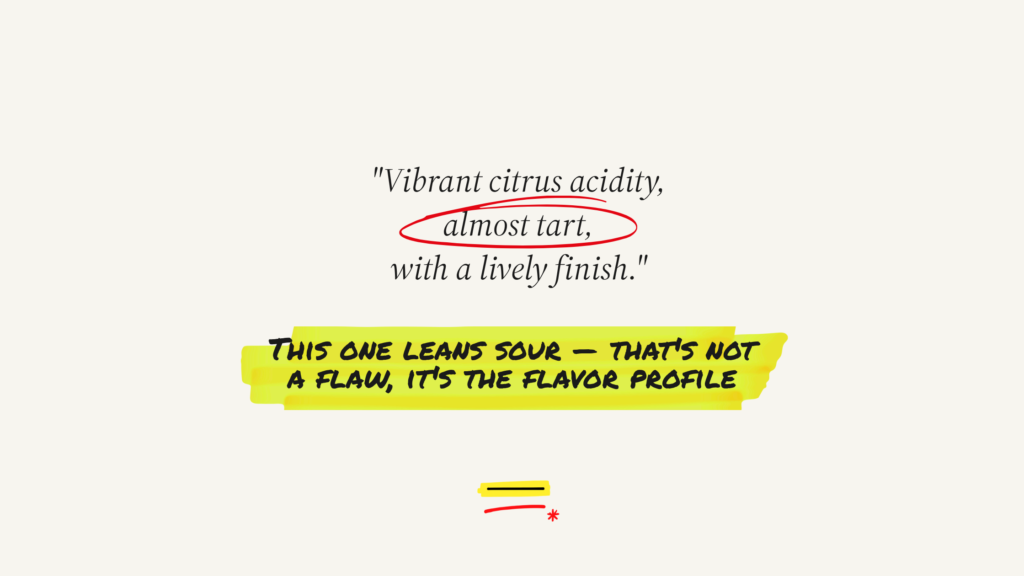
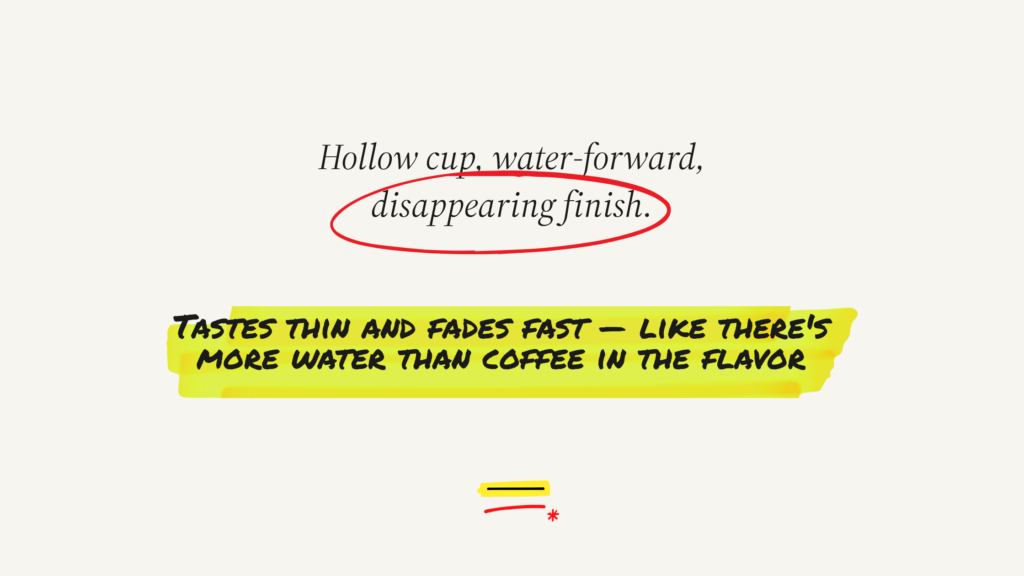
A lot of espresso advice treats bitterness like a puzzle you solve with better hands. But if the bitterness is consistent — same machine, same beans, same result every morning — that consistency is actually a clue. Random mistakes produce random results. A cup that’s bitter every time points to something structural: either how the coffee is being brewed, or the coffee itself.
This matters because it changes what you should even be trying to fix. If the problem is technique, no amount of buying better beans will help. If the problem is the beans, no amount of practicing your pour will help either. Most people guess wrong about which one they’re dealing with, spend a month “fixing” the thing that was never broken, and end up just as frustrated.
The two usual suspects
Suspect one: how the shot is being pulled. If your grind is a touch too fine, or the shot runs a little long, that pulls more bitterness out of the coffee than you want. The fix is usually small: try grinding slightly coarser, or pulling the shot a few seconds shorter tomorrow. Neither is a sign anything is broken — it’s just a dial that’s sitting one notch off.
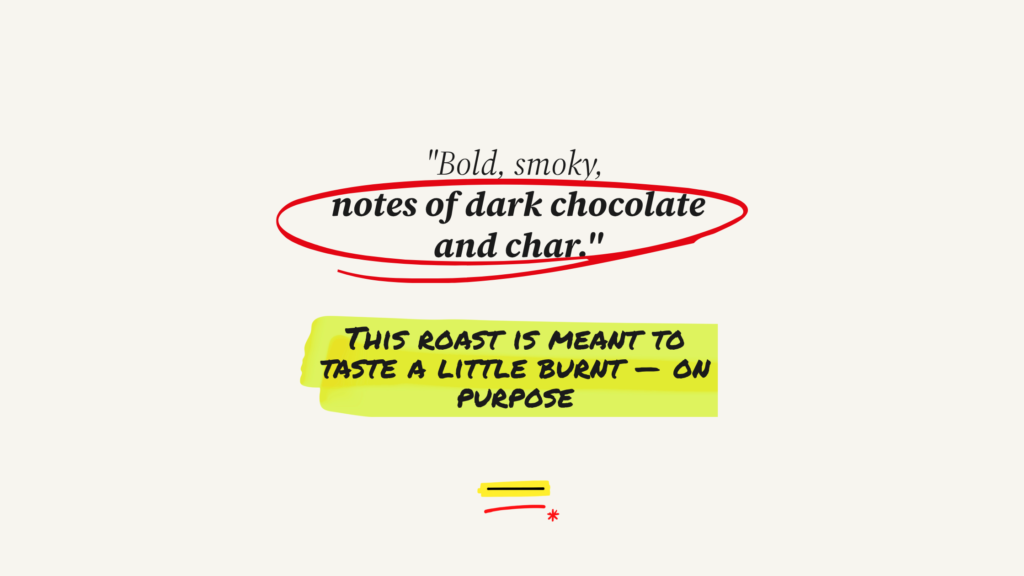
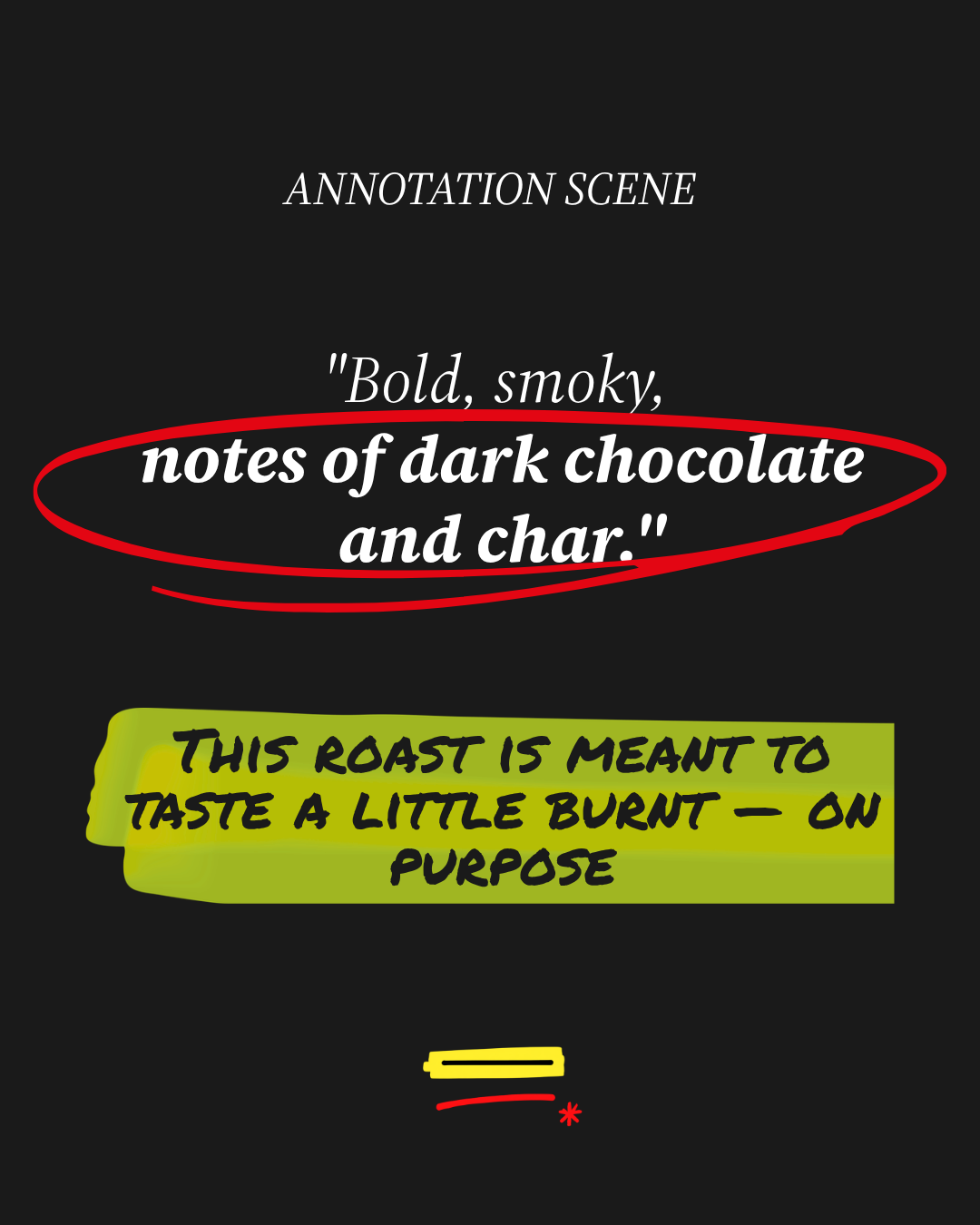
Suspect two: the roast level. Darker roasted beans are, by nature, more bitter. That’s not a flaw in the beans or in you — it’s just what dark roasting does to coffee. If you’ve been buying dark roast because it “seems stronger,” the bitterness you’re tasting might simply be the beans doing exactly what dark-roasted beans do. That’s not a mistake. It’s a preference question nobody told you you had.
Why “just brew it stronger” advice usually backfires
A common instinct, once bitterness shows up, is to assume the shot needs to be bolder — more coffee, a longer pull, a “stronger” setting on the machine. This almost always makes bitterness worse, not better, because strength and bitterness travel together. If the actual issue is suspect one or suspect two above, pushing for more intensity just turns up the exact flavor you’re trying to get rid of. It’s one of the most common reasons people feel stuck: they’re troubleshooting in the wrong direction with real effort behind it.
A myth worth retiring: bitter doesn’t mean “bad batch”
It’s easy to assume a bitter shot means something went wrong with that particular bag of beans, or that the roaster made a mistake. In most cases, neither is true. Roasters make dark roasts on purpose because plenty of people love that flavor. The batch isn’t defective — it’s just built for a different palate than the one you’re bringing to it. Once you stop treating bitterness as evidence of an error, it’s a lot easier to actually address it.
A quick way to tell which suspect is yours
Here’s a rough gut check, not a diagnosis: if you’ve tried the same beans brewed a little differently and the bitterness barely moved, that points more toward the roast itself. If small adjustments to how it’s pulled noticeably soften the bitterness, that points toward suspect one. Neither test is perfect on its own — which is exactly why guessing from a blog post has limits.
One thing worth noticing today
Before changing anything about how you brew, just notice this: does the bitterness feel like it’s covering up other flavors, or does it feel like the whole cup is just… strong? If it’s the second one, you might be tasting a naturally strong or dark coffee doing what it’s built to do — not a mistake in your setup. That single observation tells you more than another how-to video will.
When it really is just the beans
Sometimes the honest answer is that the bag of beans you bought is a dark, bold roast, and no adjustment to your routine is going to make it taste bright or fruity — because it was never meant to. That’s not a failure on your part. It just means the coffee and the cup you were hoping for don’t match, and that’s a beans decision, not a skills one. If that’s the case, the fix isn’t more practice — it’s a different bag.
Not sure which one’s happening to you? Get a free, personalized read on your cup — no jargon, just a plain-English answer. Start your free diagnosis.