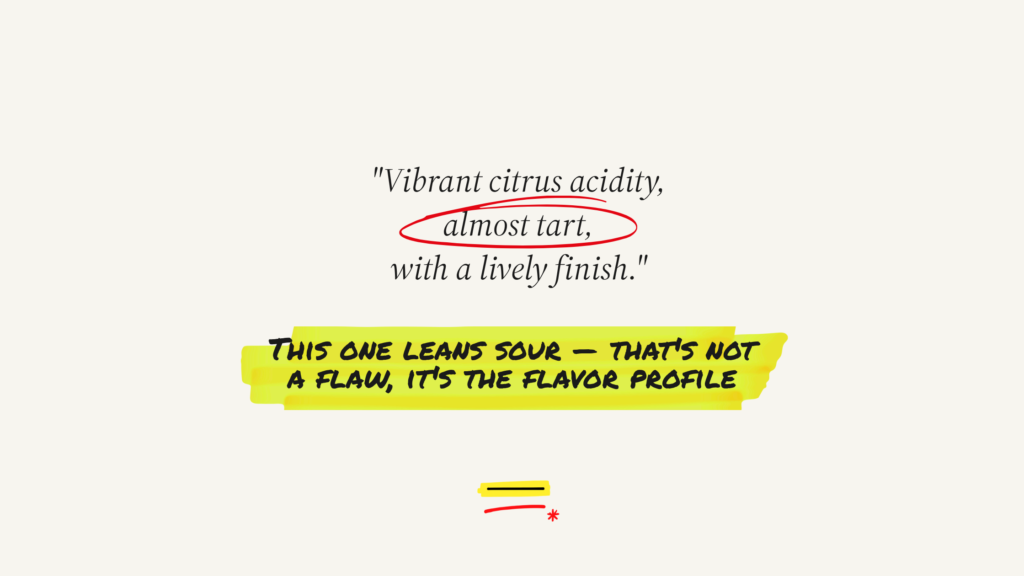
If you’ve tweaked your pour-over three different ways and it still tastes sour, you’re probably not doing anything wrong on the technique side. Sourness that shows up consistently, no matter what small thing you change, almost always comes down to one of two things — and both are easy, boring fixes once you know which one it is.
The two most common causes
Your grind is a little too coarse. When the grind size is coarser than it needs to be, water moves through it faster, and what you’re left tasting is the sharp, sour side of the coffee without the sweetness that usually balances it out. The fix is small: grind slightly finer next time and see if the sourness softens. You’re not overhauling your whole setup — you’re nudging one dial.
Your water isn’t hot enough. If your water is on the cooler side, it doesn’t pull enough flavor out of the coffee, and sourness is often what’s left standing when everything else is underdeveloped. Here’s a simple way to land in the right range without a thermometer: bring your water to a full boil, take it off the heat, and let it sit for about 30 seconds before you pour. That short pause is usually enough to bring it down from a rolling boil into the zone that works well for pour-over. If your kettle has a temperature setting, aim for somewhere around 200°F (93°C) — but the 30-second pause trick works just as well if it doesn’t.
Both of these are minor calibration issues, not signs you’re bad at this. A lot of people assume sourness means they’ve made some bigger mistake, and it almost never does.
A third thing worth ruling out first
Before you touch your grind or your water, check one more thing: how recently was the coffee roasted? Very fresh beans — roasted within the last few days — are still releasing gas, and that process reads on the tongue as sourness even when nothing else is wrong. This isn’t a flaw in the beans or in how you’re brewing them. It’s just chemistry that hasn’t settled yet.
If your bag has a roast date within the last week, try giving it a few more days to rest before changing anything else. It’s genuinely possible that your technique is fine and the coffee just needs a little time.
One fix at a time, not all three at once
It’s tempting to change your grind, your water temperature, and give the beans more rest all in the same brew. Don’t. If you adjust everything at once and the cup improves, you won’t know which change actually mattered — and you’ll be guessing again next time something tastes off. Pick the most likely cause based on how fresh your beans are, make one adjustment, and taste again before touching anything else.
If you’ve already ruled out freshness
If your beans have had a week or two to rest and you’ve adjusted both grind and water temperature and it’s still consistently sour, the beans themselves might just be a brighter, more acidic style — some coffees are roasted specifically to taste this way, especially lighter roasts from certain origins. That’s not something brewing technique fixes, because it’s not a mistake. It’s a beans-and-preference mismatch, not a you problem.
Why this is worth sorting out now, not later
Sourness is one of the more frustrating flavors to troubleshoot because it feels like it should have an obvious cause, and instead it’s usually two or three small, quiet variables working together. The good news is that once you narrow it down — grind, water temperature, or freshness — the fix itself takes seconds. It’s the narrowing down that takes patience, not the actual adjustment.
Not sure which one’s happening to you? Get a free, personalized read on your cup — no jargon, just a plain-English answer. Start your free diagnosis.